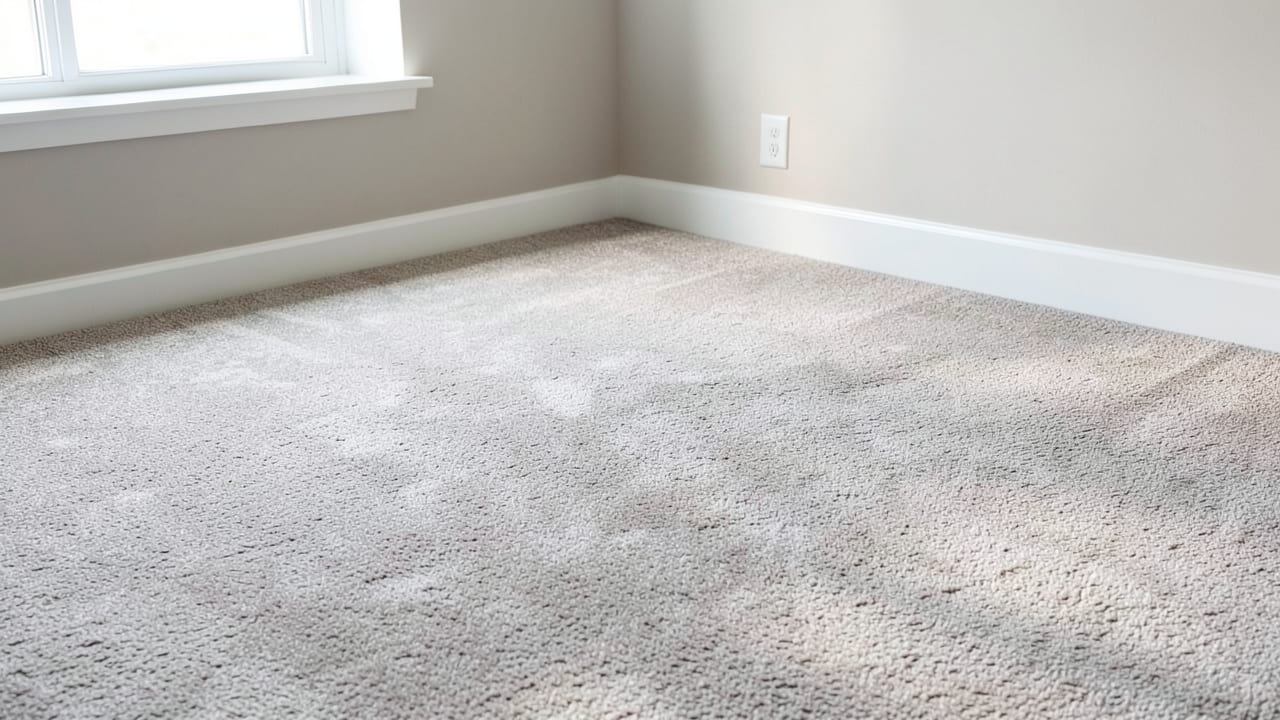
Carpet Mold Treatment
Professional assessment and removal of mold growth from carpets to restore a safe indoor environment.
Carpet mold treatment in Manitou Springs, CO addresses mold growth in carpets and padding caused by moisture or poor ventilation. The process involves inspection, containment, removal, drying, and clearance testing to ensure spores are contained and eliminated from your home.
When carpet mold treatment is needed
Mold in carpets often starts small but can spread quickly if left unaddressed. Signs include visible discoloration, a musty odor, or recurring growth after cleaning. If the affected area covers more than a few square feet or keeps returning, professional treatment is recommended to prevent further damage.
We also handle Restaurant Mold Remediation and New Construction Mold Remediation for Manitou Springs properties.
Moisture sources like leaks, condensation, or poor airflow can allow mold to persist even after removal. Addressing these underlying issues is critical to preventing regrowth in the same spot.
Signs You Need Carpet Mold Treatment
- Mold covering more than a small, isolated patch (typically over 25 square feet).
- A musty smell with no visible mold, especially when HVAC is running.
- Recurring mold growth in the same spot after cleaning.
- Visible discoloration or staining on carpets or padding.
What affects pricing and timing
The cost of carpet mold treatment in Manitou Springs varies depending on the size of the affected area, the severity of the mold, and whether additional materials like padding or subflooring need replacement. Confirmed black mold (Stachybotrys) may require more extensive treatment, increasing costs.
Drying time depends on humidity levels and the size of the affected area. Industrial dehumidifiers and air movers are used to ensure materials dry completely before containment is removed.
What to expect during the process
Professional carpet mold treatment follows strict protocols to prevent spores from spreading. Containment, HEPA filtration, and clearance testing are standard steps to ensure the job is done safely and effectively.
After treatment, monitoring humidity levels and addressing moisture sources helps prevent future mold growth. Small fans or dehumidifiers may be recommended for rooms that stay damp.
| Step | Purpose |
|---|---|
| Containment | Seals the work area to prevent spores from spreading. |
| HEPA Air Scrubbing | Filters airborne spores during removal. |
| Structural Drying | Ensures materials dry completely to prevent regrowth. |
| Clearance Testing | Confirms spore counts return to normal levels. |
How carpet mold treatment works
- 1Inspection and Assessment
A thorough inspection identifies mold growth in carpets and padding, along with the source of moisture causing it.
- 2Containment Setup
Plastic sheeting and negative-air machines seal the work area to contain spores during removal.
- 3Mold Removal
Infected porous materials like padding are removed and discarded, while non-porous surfaces are cleaned and treated.
- 4Drying and Filtration
Industrial dehumidifiers and HEPA vacuums dry materials and filter spores from the air.
- 5Clearance Testing
An independent test confirms spore levels are back to normal before containment is removed.
Frequently asked questions
How do I know if my carpet mold is severe enough to need professional treatment?
If the mold covers more than a small patch (typically over 25 square feet), keeps returning after cleaning, or is accompanied by a musty smell, professional treatment is recommended. DIY methods may not fully address hidden growth or moisture sources.
Will my carpets need to be replaced after mold treatment?
Not always. If the mold has deeply penetrated the carpet fibers or padding, replacement may be necessary. Otherwise, professional cleaning and treatment can restore them, depending on the material condition.
How long does the drying process take after mold removal?
Drying time varies based on humidity and the affected area’s size. Industrial dehumidifiers and air movers are used to ensure materials dry completely, which can take several days.
Can mold return if it was treated properly?
Yes, if the moisture source isn’t fixed. Treating mold without addressing leaks, condensation, or poor airflow can lead to regrowth. Monitoring humidity and airflow helps prevent future issues.
Where Manitou Springs sits, and what the Census lists nearby
Manitou Springs sits in Colorado, and the closest places listed in the U.S. Census Gazetteer are Cascade-Chipita Park (7.7 miles northwest), Green Mountain Falls (7.8 miles northwest), Colorado Springs (8.2 miles east), Stratmoor (9.4 miles southeast).
Within 25 miles of Manitou Springs the same source lists 23 distinct incorporated places and census-designated places.
Those figures matter for carpet mold treatment because they are straight-line distances between Census coordinate points: road mileage between Manitou Springs and Cascade-Chipita Park runs longer than the 7.7 miles shown, which is why quotes for the same job differ between towns that look close together on a map.
Source: U.S. Census Bureau Gazetteer.
See Air Force Academy, CO for more, or discover the mold remediation work we do around Manitou Springs before booking for our complete lineup.
Ready to get started?
Talk to a local mold remediation pro in Manitou Springs — get a written quote.
Other Mold Remediation Services in Manitou Springs
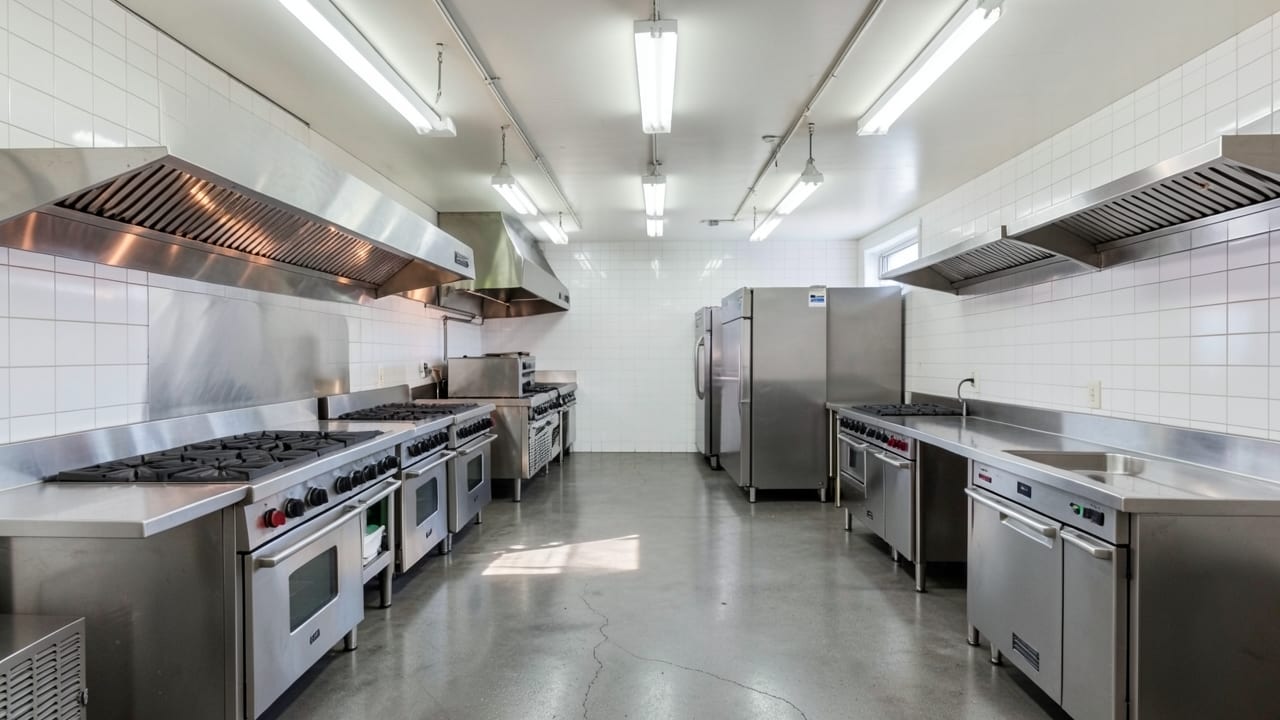
Restaurant Mold Remediation in Manitou Springs, CO
Professional mold removal and remediation for restaurant spaces to ensure safety and compliance.
Learn More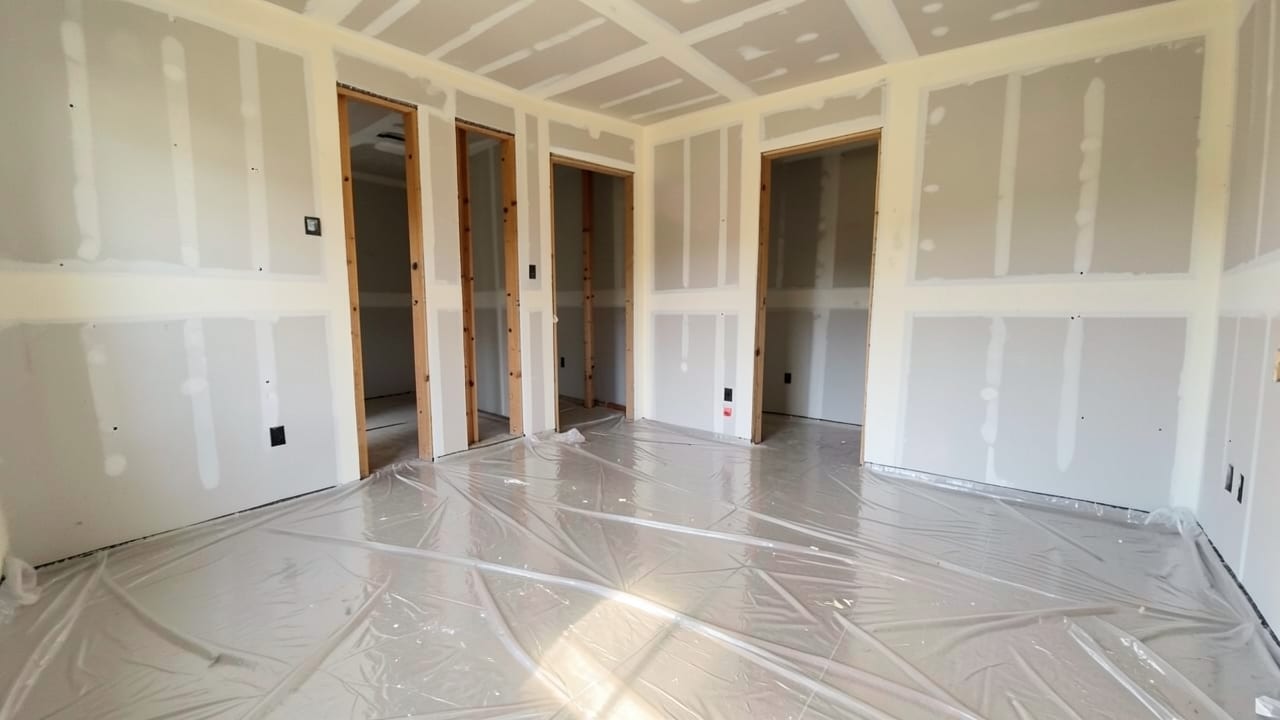
New Construction Mold Remediation in Manitou Springs, CO
Professional mold removal and prevention in newly built homes to ensure safe, clean living spaces.
Learn More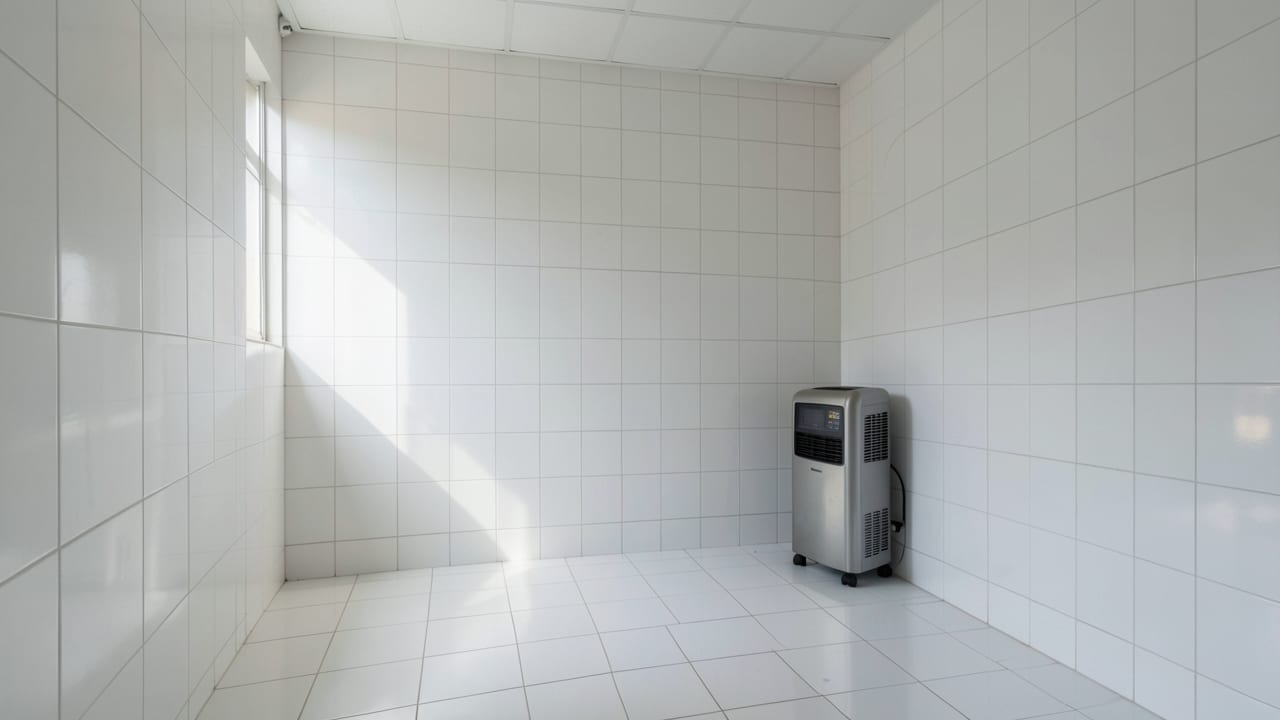
Hotel Mold Remediation in Manitou Springs, CO
Professional removal and treatment of mold growth in hotel properties to restore safe, clean environments.
Learn More
Gym Mold Remediation in Manitou Springs, CO
Professional removal and treatment of mold in gyms to restore safe, clean environments.
Learn More
Salt Air Mold Remediation in Manitou Springs, CO
Professional mold assessment, containment, removal, and prevention in affected areas of the home.
Learn More
Pest Infestation Mold Remediation in Manitou Springs, CO
Professional mold removal and remediation for pest-related infestations in homes.
Learn MoreCommon Questions About Mold Remediation in Manitou Springs
Everything you need to know about mold remediation services in Manitou Springs
How much does Carpet Mold Treatment typically cost in Manitou Springs, CO?
Can mold really be a problem in a dry climate like Manitou Springs, CO?
How long does a typical mold remediation job take?
Is it safe to stay in the home during mold remediation?
Can small mold problems be handled without hiring anyone?
What's the actual difference between mold removal and mold remediation?
Need Mold Remediation in Manitou Springs?
Connect with local providers in Manitou Springs for a detailed quote.
⏰ We answer your call • Serving all of Manitou Springs and surrounding areas